- All
- Wisdom
- We Stand on Their Shoulders
- Vocation
- Uncategorized
- Stories Seldom Heard
- Spirituality
- Social Justice
- Prayer
- Peace
- Oneness
- Love
- Letting Go
- Lent
- Joy
- Inspirational Images
- Hope / Healing
- Holy Week
- Gratefulness
- God's Presence
- General News Stories
- Forgiveness
- Finding God
- Faith
- Easter
- Dominican Saints
- Discipleship
- Courage
- Christmas
- Catholic Sisters Week
- Care of the Earth
- Blessing
- Beauty
- Advent
- #justiceOPportunity
Synod Continues
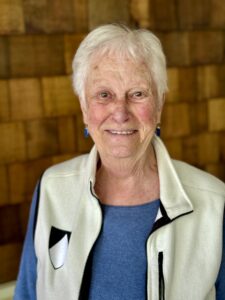
Sr. Patricia Bruno, OP

323rd Edition – June 2026
There is Good News To Report!
 Welcome to Stories Seldom Heard. The news networks are filled with Pope Leo’s first Encyclical, Magnifica Humanitas: On Safeguarding the Human Person in the Time of Artificial Intelligence.
Humanity, created by God in all its grandeur, is today facing a pivotal choice: either to construct a new Tower of Babel or to build the city in which God and humanity dwell together (1).
Most of us, however, may not read the entire Encyclical. The interpretations of Pope Leo’s Encyclical will vary. For that reason, it is important to rely on trusted sources that can help us understand the complexity and significance of the Encyclical. Dependable ongoing analysis can be found in publications such as the National Catholic Reporter and America Magazine (2).
As we reflect on this important teaching, we should not forget that the Synod on Synodality continues its work and mission. In March 2025, Pope Francis announced an additional three-year implementation phase for the Synod. It is not surprising that we need more time to hone and practice our deep listening skills. Deep listening requires time, patience, humility and a discerning spirit. Recognizing this, Pope Francis reminded us to “not sound proof our hearts.” Pope Leo XIV, in his first address from St Peter’s Basilica, likewise expressed his desire to continue the Synodal journey of discernment and renewal.
The synod process also requires study and reflection. Theologians, canon lawyers, historians and pastoral leaders help illuminate the issues raised during our conversations. The complexity of the responses reflects the rich diversity of cultures and experiences throughout the universal church. For this reason, the Synod’s conversations continue today.
The Final Document of the first three phases was publish on March 2025. It continues to invite us to study the issues, listen attentively to one another and discern the movement of the Holy Spirit within the church. One of the Working Groups, Group 5, is entitled “For the Synodal Church; Communion, Participation, Mission: The Charismatic Dimension of the Role of Women in the Church.” Paragraph 60 addresses the question of women’s participation in ministry. It includes the following statement. “The question of women’s access to diaconal ministry remains open” (#60).
Throughout the document scripture and tradition affirm the equal dignity of women and men as members of the people of God. “The whole people of God is an agent of the proclamation of the Gospel. Every baptized person is called to be a protagonist of mission since we are all missionary disciples” (ITC 53). “We are baptized into the same body…and we are all made to drink of the one Spirit” (I Cor 12:13). Baptism is the foundation of our Christian life and the basis of our call to ministry.
Pope Francis initiated the Synod and invited all of us to participate as part of our baptismal responsibility. Pope Leo XIV has affirmed the importance of continuing this work. The invitation is before us: read, study, pray and discuss the Final Document.
There are structures within our dioceses that foster these “conversations in the Spirit.” There is also a growing movement that is initiating “house meetings” to discuss the Final Document. This second option might feel overwhelming, but there are organizations such, as “Discerning Deacons” (3), that offer study resources, as well as suggested processes, to help guide house meeting discussions.
The Synod seeks our responses. We are called to approach the conversations with curiosity, humility and openness. Listening for the Spirit at work among diverse viewpoints is the heart of synodality and the path by which discernment deepens. Our goal isn’t to gather people who already agree with us, but to genuinely grow together in discernment.
In the beginning of the synodal process, Pope Francis stated that the Synod is not about ideology, but about an experience rooted in the apostolic tradition. “Communion and mission can risk remaining somewhat abstract, unless we cultivate an ecclesial practice that encourages real involvement on the part of each and all of us” (October 9, 2021).
Reflective Questions that may prepare us for and help us during house meetings
What more do I need to understand? Where are my blind stops? Is there a truth emerging in the conversation I had not previously recognized? What are the reasons for my resistance? How might this change better serve the people of God?
Prayer is essential to the process
Ask the Spirit to direct your thoughts and actions. Listening for the Spirit’s Wisdom is a demanding task. It is all too easy to “sound proof our hearts.”
Come, Spirit of Wisdom, dwell in us. Reveal to us the inner journey of love.
Spirit of Wisdom, come guide us.
************
The following is an outline of the Phases of the Synod on Synodality.
It not only helps us remember the process, but also encourages us to celebrate the presence of the Holy Spirit Who has directed and informed our conversations and actions.
- Phase One: Pope Francis announced the Synod on Synodality on St Francis’ Feast Day, October 4th, 2021. Rooted in the spirit of the Second Vatican Council, the purpose of the Synod is to help us become a listening church so that we will have a fuller understanding of our responsibility to serve and preach the Good News in our modern world.
- Phase Two: “The Consultation of the people of God.” Throughout the world, Catholics gathered to discuss the following questions. What is your experience of the church? What are your concerns, joys and hopes for the church? The synthesis from each of the seven continents was sent to Rome by March 2023.
- October 1, 2023: The first Synod meeting in Rome began with a Retreat. This session specified the points of agreement among those present at the Assembly. It also identified questions and indicated how the work of the Synod would proceed.
- October 2, 2024: Second Session of the Synod members. As a result of prayerful listening/conversation sessions, twenty topics were identified for further study and consultation.
- December 30, 2024: The publication of the Final Document. Pope Francis approves the document as it stands.
- March 5, 2025: Pope Francis announces three more years of study and conversations in the Spirit. (October 2028).
- October 24-26, 2025: Jubilee of Synodal Teams and participatory bodies.
- 2025-2026 December: Continued study and implementation paths.
Footnotes
1. The Encyclical is available on the Vatican website https://www.vaticannews.va/en.html)
2. National Catholic Reporter. ncronline.org. 800-333-7373
America Magazine, americamagazine.org