- All
- Wisdom
- We Stand on Their Shoulders
- Vocation
- Uncategorized
- Stories Seldom Heard
- Spirituality
- Social Justice
- Prayer
- Peace
- Oneness
- Love
- Letting Go
- Lent
- Joy
- Inspirational Images
- Hope / Healing
- Holy Week
- Gratefulness
- God's Presence
- General News Stories
- Forgiveness
- Finding God
- Faith
- Easter
- Dominican Saints
- Discipleship
- Courage
- Christmas
- Catholic Sisters Week
- Care of the Earth
- Blessing
- Beauty
- Advent
- #justiceOPportunity
Black History Month and Ash Wednesday
Sr. Patricia Bruno, OP
319th Edition – February 1, 2026
“Our Memories Are Formative”
 This (Black History Month’s) remembrance mirrors the biblical command to remember — to recall not only triumphs, but suffering, resistance, and God’s saving action in the midst of oppression. Memory, in Scripture, is never neutral; it is formative. It shapes identity, responsibility, and hope. Memory, in Scripture, is never neutral; it is formative. It shapes identity, responsibility, and hope (1).
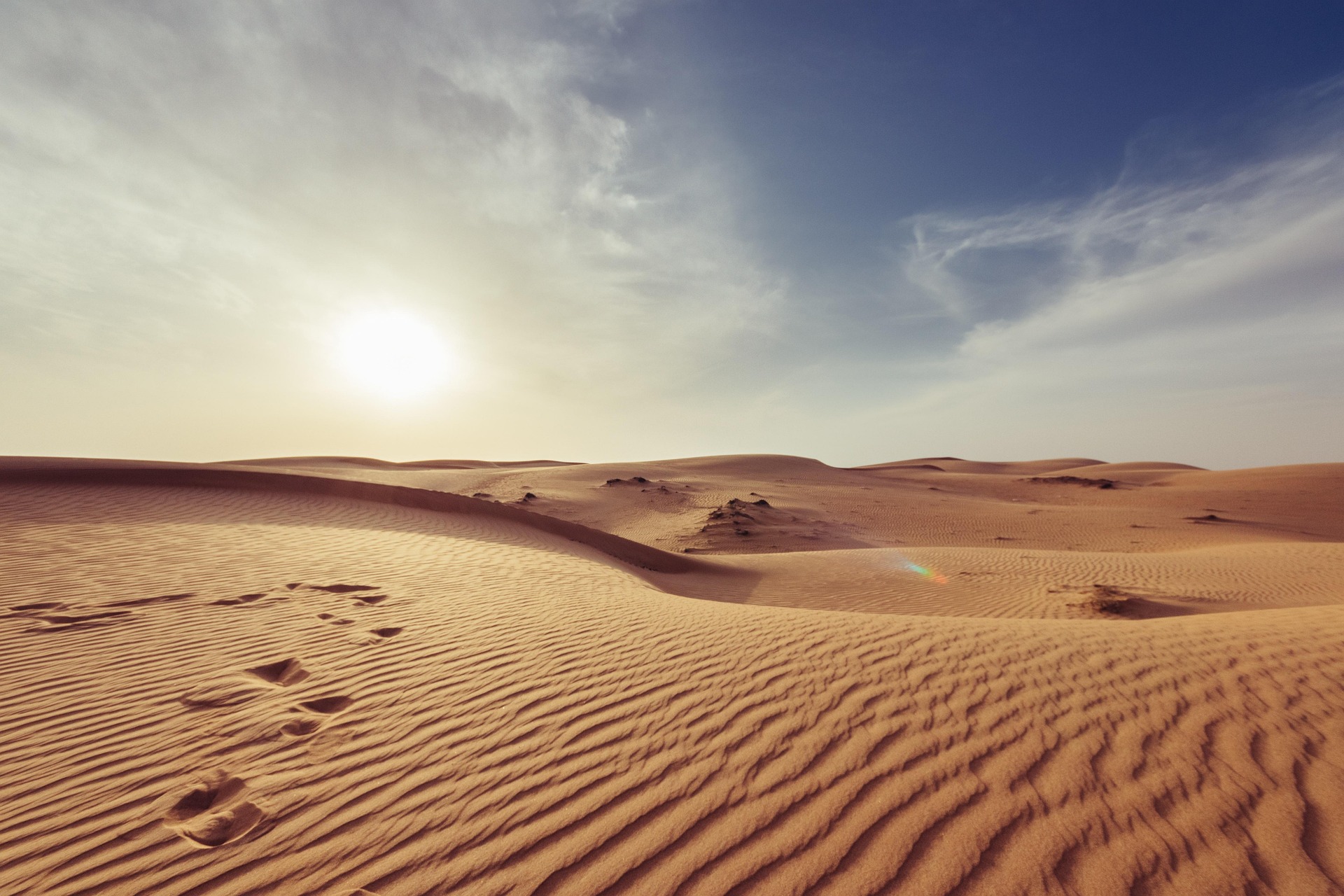
In the First Testament, we remember God’s nomadic desert people who struggled not only to remain free from alien tribes but also to survive the precariousness of desert life. A pivotal story is the Israelites’ forty-year desert sojourn. It’s a story that accentuates the physical hardships they had to endure. It is marked by cries for water, food, and protection. It is also filled with emotional and spiritual growth.
In the New Testament, the desert scene shifts a little. Even though most of Jesus’ life takes place near the Sea of Galilee, Judea, and Jerusalem, the desert plays a significant role in Jesus’ life. The desert also holds multiple levels of meaning. It is a physical place, as well as a place of mystery. It is a place where spirits of every kind are free to take up residency. It is the training ground for prophets. Thus, it is no surprise that after Jesus’ baptism, he is “led by the Spirit into the desert.” Matthew’s Gospel, which is read on the First Sunday of Lent, carefully crafts the story. He wants to be sure we understand that the Spirit of God led Jesus into the desert, stayed with him, guided his judgments, and sustained him in his trials.
The desert that Jesus entered sounds dangerous, but most of us have experienced or seen pictures of deserts in bloom: spectacular fields of spring wildflowers. Some days with so much happening in our world, that desert calls to me: a place of retreat and silence; a space for discernment; time to rekindle my trust in the One who has called each of us “disciple.” It’s a place that invites us to deeper faith. Led by the Spirit as Jesus was, we continue to discern our vocation as his Beloved Community.
The world turns and the world changes,
but one thing does not change.
In all of my years, one thing does not change.
However you disguise it, this thing does not change:
the perpetual struggle of Good and Evil.
Forgetful, you neglect your shrines and churches;
the men you are in these times deride
what has been done of good. You find explanations
to satisfy the rational and enlightened mind.
Second, you neglect and belittle the desert.
The desert is not remote in southern tropics.
The desert is not only around the corner.
The desert is squeezed in the tube-train next to you,
the desert is in the heart of your brother (2).
The desert is a place of self-discovery. It waits ready to let us know who we are. Like the parched sand in the desert that shifts with the wind, uncovering ancient artifacts, we can rediscover past experiences buried shallow and deep in our memories. In the heat of the day and with the cool setting sun, the vast landscape of our memories stirs our imaginations. Shadows lengthen, and inanimate figures–rocks and shrubs–begin to walk and play according to the sun’s movement as the day darkens and draws to a close. The dramatic landscape of the desert is complex, but it is also a good place to begin our Lenten meditation and prayers. Ash Wednesday is February 18th.
We don’t need to leave our homes or travel to the Mojave Desert. Laura Swan in her book The Forgotten Desert Mothers, shares the wisdom of the great Desert Ammas–women who went to the desert to live solitary lives of fasting and prayer. After many years and much discernment, they decided to move back to the cities. They had come to a new realization. The cities had become spiritual deserts. Also, they understood that the real journey was not to some deserted place, but an inner journey characterized by Christ’s vision and inner freedom. In the midst of city life, they continued to offer their wisdom and guidance. Following their wisdom, our quiet desert space can be in our homes, our gardens, or an out-of-the-way park bench. For each of us, it will be different. But for all of us, it will be a place where we can set aside our usual distractions to listen to the same Spirit who led and spoke to Jesus’ heart.
Finding the appropriate place for prayer and solitude is important, but it might not be our first step. Perhaps the first step for us, as it was with those long ago, is to believe that even short periods of silence and quiet reflection each day have value and can change our hearts.
Lent offers us the space to slow down, to be introspective, andto be more focused. It is a time to seek self-knowledge and to refocus our lives so that we can be the people of integrity and compassion we desire to be. This involves the hard, honest work of meeting ourselves just as we are and accepting ourselves just as we are. Accepting ourselves includes recognizing areas that need to be changed. It involves taking a truthful inventory of who we are.
A few years ago, a man I know was having some marital problems. After some conversations, he read the book, Wherever You Go, There You Are. It’s a book that examines how we often think that another city, another job, another way of life, a different relationship would change our lives. It is also the book that helped him face some of the areas of his life that needed attention. Lent can be a welcome guest when we realize that we are being led by the same Spirit who led Jesus into the desert. It is that Spirit who gives us the courage to examine our lives in the light of God’s desires for us. We know we can do this because we are confident that God’s mercy and grace walk with us each step of the way.
A Lenten suggestion: Read Pope Francis’s The Name of God is Mercy and/or The Joy of the Gospel.